
By MOTI Industrial · 11 September 2026
For a team that fabricates busbars in a workshop and also supports installation projects, the choice depends on which work needs to move. A portable set may be useful when suitable parts repeatedly travel back for a small adjustment. A fixed workstation deserves priority when regular workshop production is the main workload. Where both demands occur together, assess portable equipment as a supplement to the workshop before deciding that one machine must replace the other.
Start with recent jobs and assign each to a work location. Then use the busbar machine selection guide to check whether the candidate equipment can perform the required operations on those parts.
Separate the work into three routes
A mixed workload needs more detail than “we sometimes work on site.” Sort representative jobs by the work that actually needs to be done:
- Planned workshop production: parts can be made from approved drawings before dispatch. Record the batch size, tooling and inspection requirements.
- Location-dependent adjustments: a final dimension or connection detail needs confirmation at the project. Identify the exact cut, hole or bend still required and where that operation could take place.
- Exceptions requiring workshop support: a part may need a tool, working range or inspection arrangement that the proposed mobile set cannot provide. Keep these jobs visible in the comparison.
This classification is a planning aid, not a record of a particular customer’s results. It helps avoid sizing the entire purchase around an occasional difficult part or assuming that every site adjustment belongs on a portable machine.
Choose the arrangement that fits the job allocation
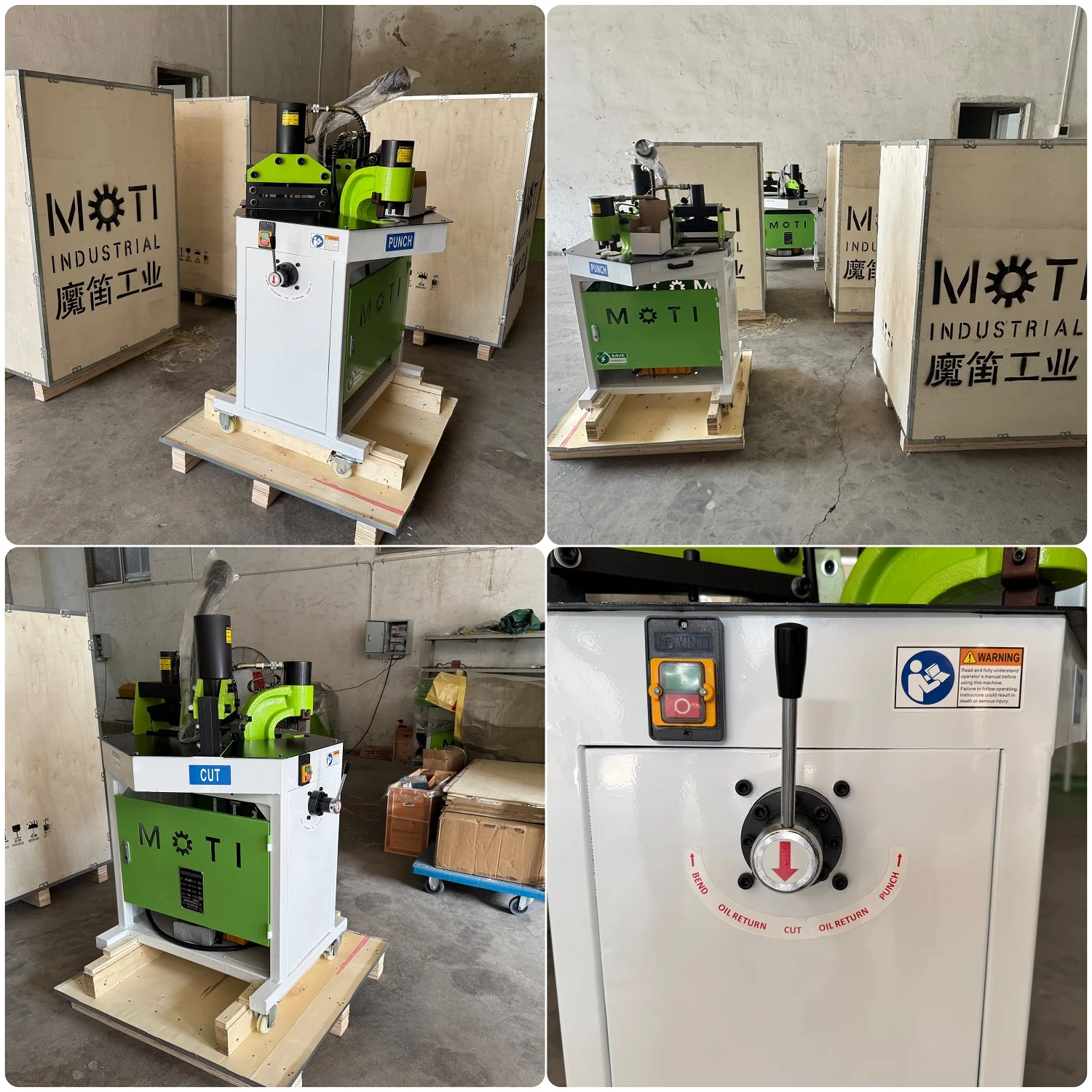
A workshop machine with a defined return route
If most parts can be completed before delivery and adjustments are infrequent, first examine the existing workshop route. Can revised dimensions reach the workshop promptly? Is a suitable tool available? What causes the delay: transport, the production queue or an incomplete drawing?
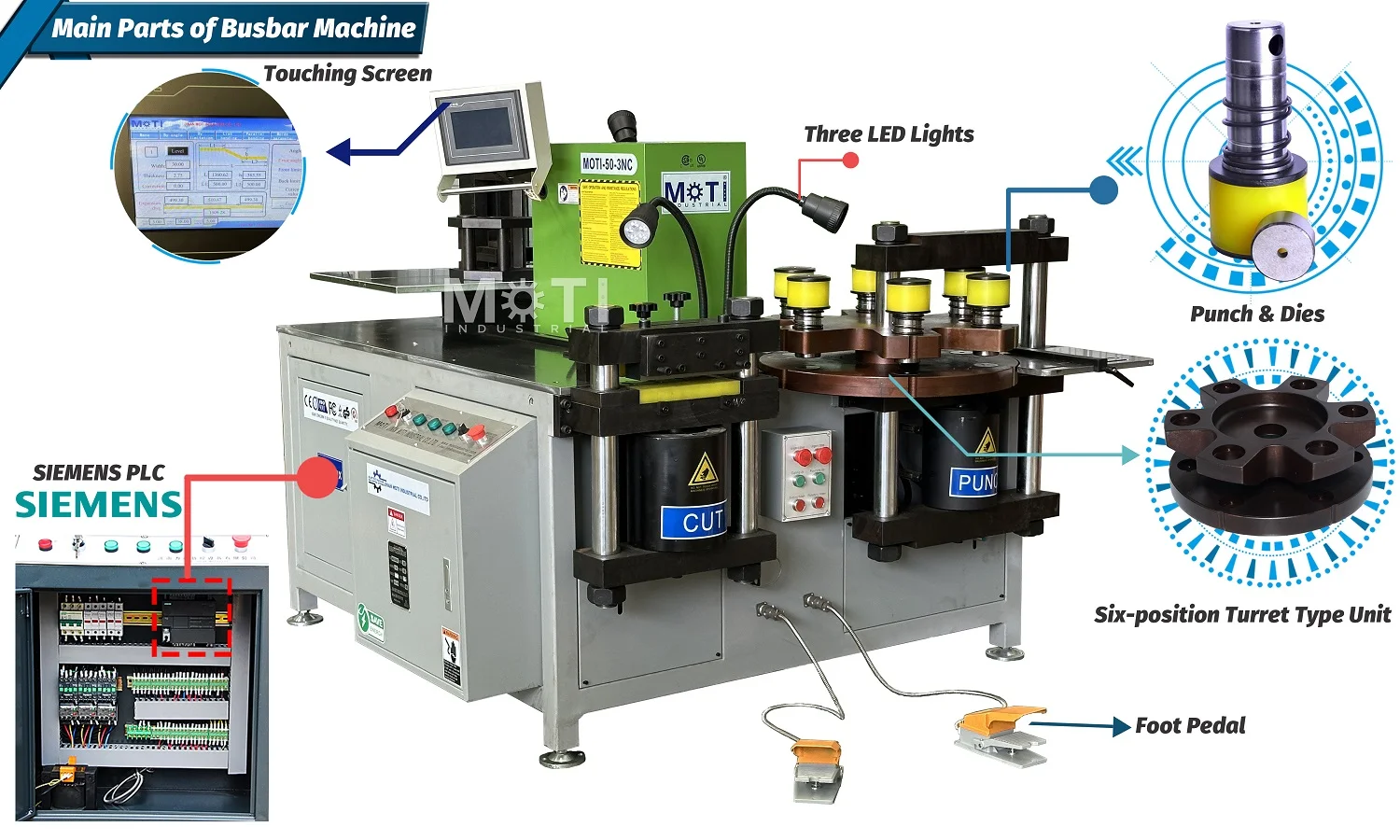
A portable set will not resolve a missing approved dimension. If the main constraint is regular workshop work, compare the appropriate fixed equipment and its workflow. The MOTI-50-3NC workstation, for example, combines cutting, punching and bending stations; its suitability still depends on the actual part and tooling.
A portable set shared between locations
This is a candidate when jobs can be scheduled around one movable set and each location can support it. Include the periods when the equipment is packed, travelling or being prepared for use. A tool recorded as “available” at the workshop may be unavailable to another crew while it is assigned to a project.
Before choosing this arrangement, check a realistic overlap: one crew needs an adjustment while the equipment is already committed elsewhere. Record how the work would be completed and whether the workshop remains a practical fallback.
A fixed workstation plus portable support
A combined arrangement is worth evaluating when regular workshop batches must continue while suitable adjustments are handled elsewhere. Define which operations stay in the workshop and which are candidates for the mobile set. That division makes it possible to specify the portable tool package around a real task list.
For example, a team could propose completing repeat parts in the workshop and reserving the movable set for selected connection adjustments. This is an illustrative work allocation, not a claim that every adjustment can be performed locally. Review the drawing and each operation before adopting it.
Check what has to travel with the portable equipment
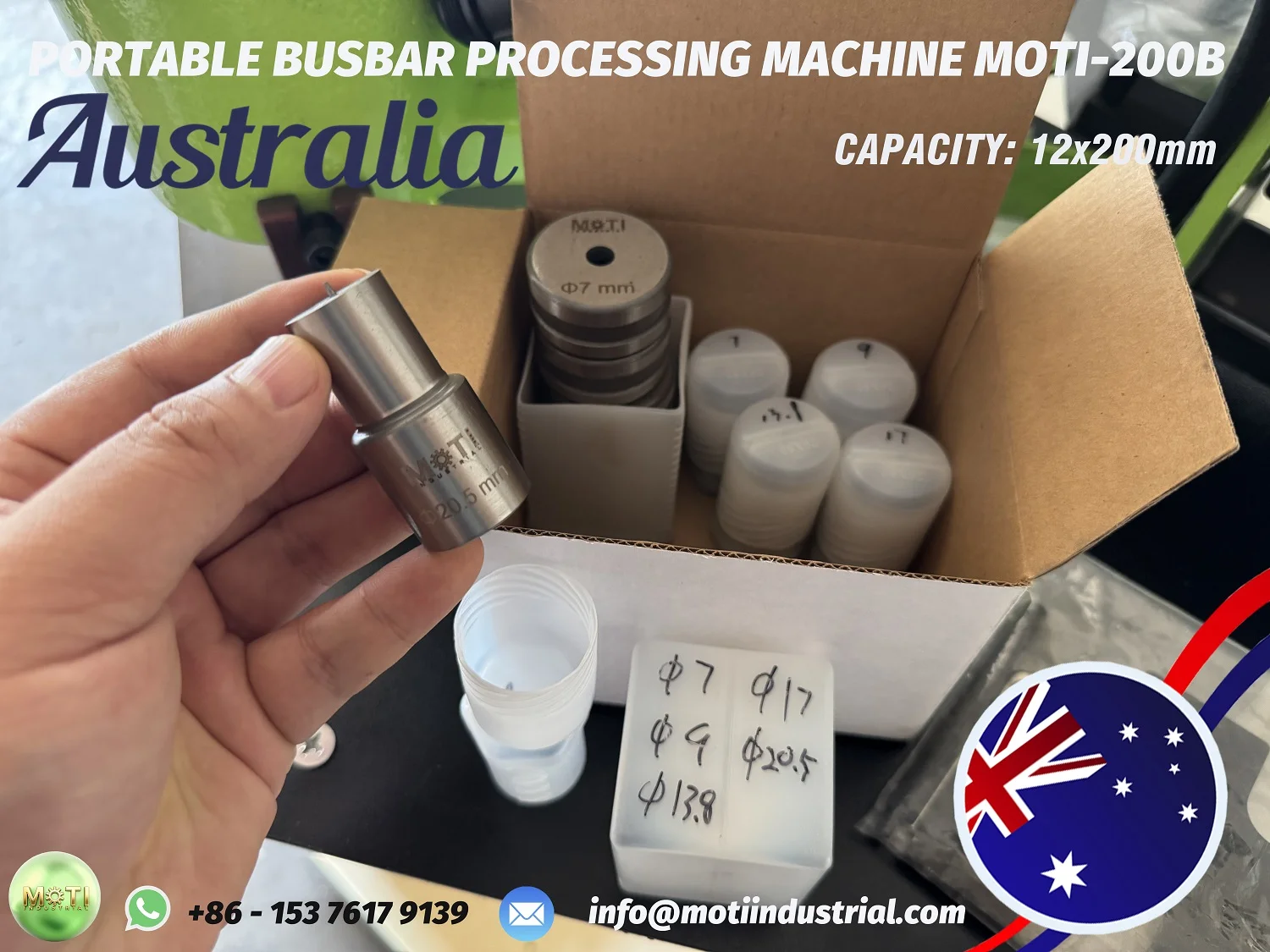
The MOTI-200B portable hydraulic set uses separate cutting, punching and bending units with a split hydraulic arrangement. The Australia equipment and tooling project identifies those units as CWC-200, CH-70 and CB-200. Request a complete configuration for your job rather than assuming that any pump, hose or die is interchangeable.
Before comparing quotations, document:
- The transfer route: vehicle space, unloading access, doorways and any movement between floors. Ask for individual component dimensions and weights.
- The working position: room for the equipment, the incoming bar and the finished part, with suitable material supports.
- The supplied system: pump, processing units, compatible connections, controls and the power configuration required at the intended location.
- The travelling tool list: the actual hole shapes, dies and bending tools needed for the assigned jobs, plus how they will be identified and checked on return.
“Portable” describes relocation of the processing equipment. It does not establish that the complete set can be carried by one person or used for live electrical work. Keep the movement and working arrangements specific to the supplied system and location.
Compare completed jobs, including the equipment’s absence
For a representative adjustment, record how long the current route takes from an approved requirement to an accepted part ready for the next stage. Then assess the proposed route using the same start and finish points. Include equipment transfer and setup where they occur, and note any workshop job that must wait while shared equipment is away.
Keep elapsed waiting time separate from hands-on labour. Reducing a transport wait does not necessarily save the same number of labour hours, and a faster individual operation does not prove that the whole job finishes sooner. The complete busbar production-trial guide explains how to record setup, handling and accepted parts consistently.
Use that record to request a focused proposal: your current workshop equipment, the jobs that would stay there, the candidate mobile tasks, the locations involved and any overlapping demand. Send MOTI the work split and representative drawings so the machine and tool package can be reviewed together.
Sources: MOTI-200B Australia delivery record, MOTI portable-equipment application guide and MOTI-50-3NC manufacturer information, checked 10 September 2026. The allocation scenarios are practical planning suggestions; no customer savings or production results are assumed.