
By MOTI Industrial · 17 September 2026
“What voltage do you use in my country?” is not enough information for a busbar machine order. Workshops in the same country can have different supplies, and machines in the same product family can have different electrical configurations. Record the actual installation point, then match it to the ordered machine’s electrical file.
The useful pre-order check separates voltage, phase, frequency and installed power. It also defines who will provide the isolator, protection, cable termination, grounding and commissioning work. These items should be agreed before production and shipping, not discovered when the crate reaches the workshop.
Record the supply at the exact installation point
Ask a qualified local electrician or facility engineer to record the available voltage, number of phases and frequency at the planned connection point. Include the way the value was verified, the panel or circuit identification and the date. Do not copy a national reference value into the order without checking the actual workshop.
Also describe whether the machine will remain in one position or move between sites. A portable configuration still needs a compatible, protected supply wherever it is used. “Portable” describes how the equipment can be moved and arranged; it does not mean it can be connected to any outlet or used on an energized busbar.
The delivery, installation and support guide covers the complete project handover. The electrical check here is narrower: it creates one controlled record from quotation through commissioning.
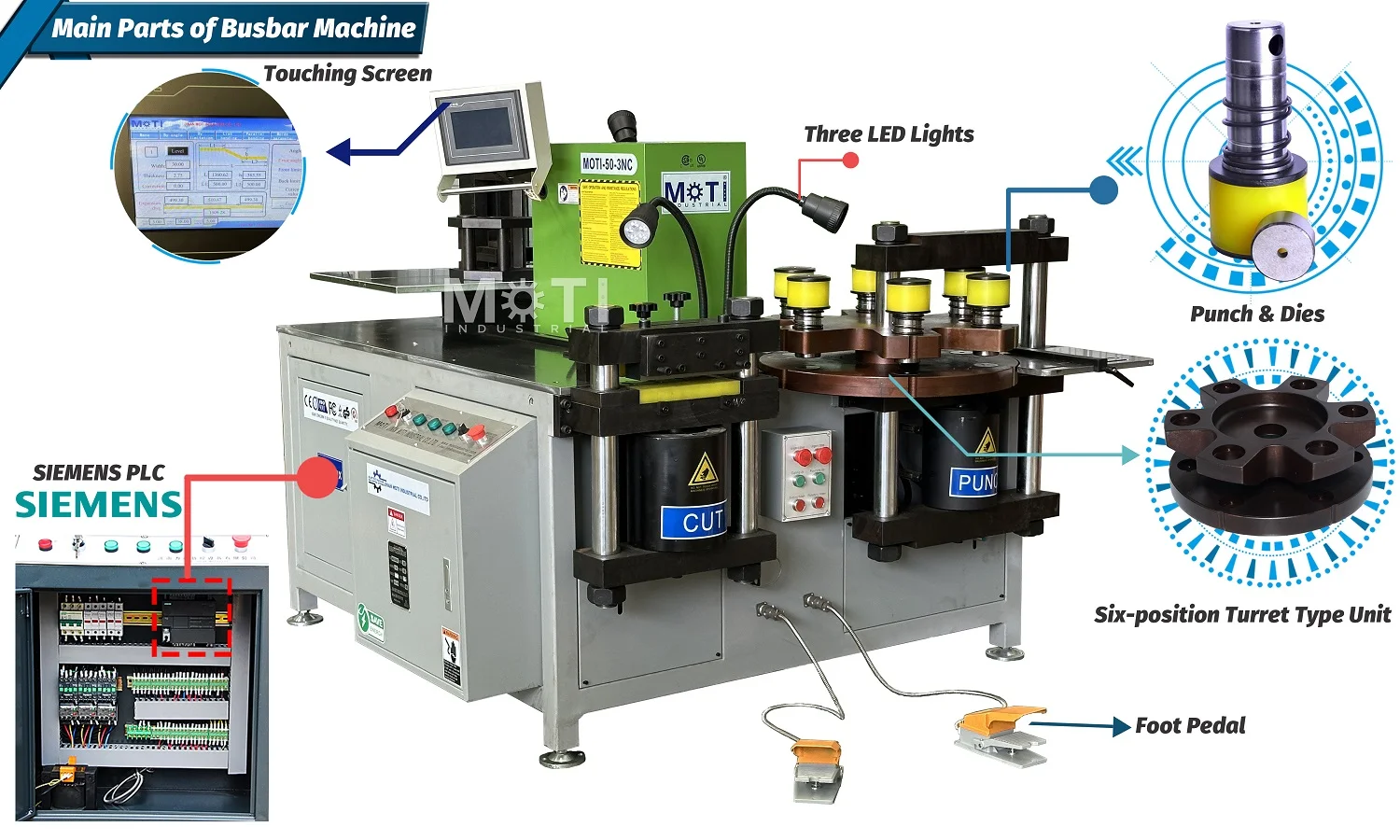
Keep voltage, phase and frequency as separate fields
Write all three values in the inquiry, quotation, order confirmation and installation checklist. A matching voltage alone does not confirm that the number of phases or frequency is correct. Avoid a loose note such as “standard power” because it does not create a checkable requirement.
Published product information illustrates why model-specific confirmation matters. The MOTI-50-3NC PRO page lists three-phase 380 V AC at 50 Hz. The legacy information for the MOTI-200B portable system shows more than one supply option and therefore requires the selected version to be stated in the quotation. These examples should not be applied to another model or to every machine sent to the same country.
Do not treat installed power as energy consumption
List each motor rating or the manufacturer’s stated installed-power arrangement separately from the incoming supply. A nameplate value in kW is not the same as measured kWh per part or per shift. Actual energy use depends on operating time, load, process sequence, idle periods and the final machine configuration.
If electricity cost matters to the purchase decision, define a measurement during a representative trial. Use the same drawing, material, batch and operating period for each machine being compared. The production trial method can be extended with an agreed energy meter, but no consumption result should be estimated from motor ratings alone.
Define the site-side electrical scope
Ask the supplier for the connection requirements and electrical documentation for the ordered configuration. Then have the local responsible person specify the site-side isolator, protective device, cable size and routing, termination method, grounding arrangement and any local inspection required. Ratings and device selection must follow the machine documentation and applicable local rules.
Record the boundary of responsibility. For example: who brings the incoming cable to the machine, who terminates it, who verifies grounding, who is permitted to energize the machine and who signs the electrical part of commissioning. A clear boundary prevents the supplier, installer and workshop from each assuming that another party has prepared the connection.
Do not select a transformer from voltage alone. If one is being considered, the supplier and qualified local electrical professional should verify phase, frequency, required capacity, starting conditions, control-system requirements, protection and grounding together. The article cannot replace the machine’s electrical diagram or a site-specific electrical design.
Prepare the physical route and work area
Electrical readiness is only one part of the site. Obtain the final package dimensions, gross weight and handling instructions before delivery. Confirm the unloading equipment, doorway and turning clearances, floor and support requirements, service access, operator space, raw-busbar support and the route for finished parts.
Machine dimensions and net weight cannot stand in for crate dimensions and gross weight. Likewise, a floor location that fits the machine outline may still be unsuitable once long material, an open cabinet door and maintenance access are considered.
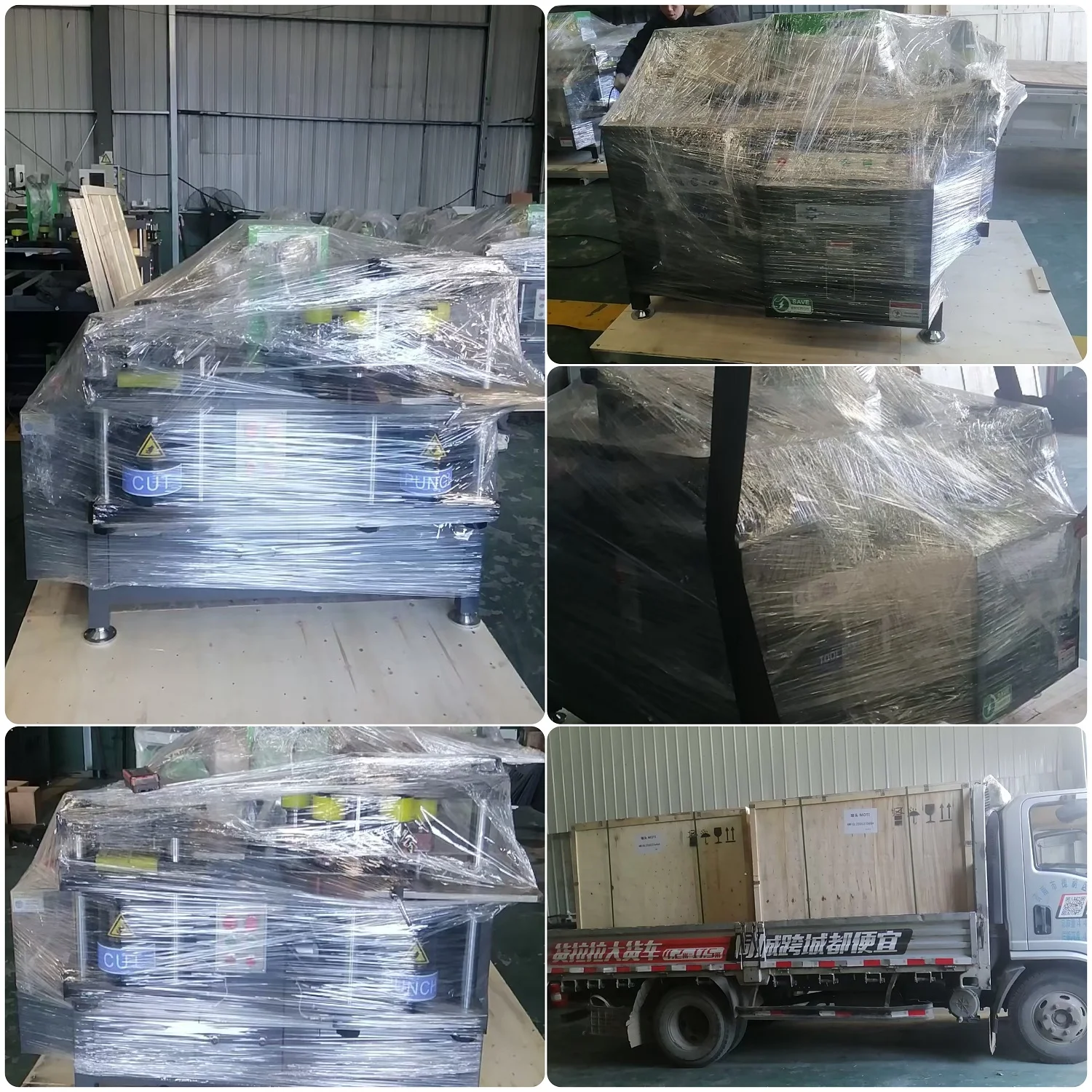
Check the delivered configuration before energizing
At arrival, compare the model, serial information, electrical labels, packing list and supplied documentation with the order. Record any transport damage or missing item before installation. Keep the electrical diagram and manufacturer instructions available to the people responsible for connection and commissioning.
Connection and initial energization should be performed by qualified personnel under the manufacturer procedure and applicable site rules. Before production, the responsible team should verify the supply, protection and grounding, then check phase sequence or motor direction where the machine procedure requires it. Safety devices, emergency stops, controls and normal shutdown should be tested as specified for that machine. Do not bypass a guard or safety function to complete commissioning.
Use a representative part for the handover
After the electrical and safety checks are complete, use a known drawing and the agreed material to confirm operation. Record tool installation, program or setting, first-piece measurements and the operator’s understanding of normal start, stop and alarm reporting. Keep electrical acceptance and part acceptance as two separate signed sections.
For equipment that will move between work areas, repeat the site checklist for each intended connection point. The portable versus fixed workshop guide helps define where the work should occur, while the electrical record confirms whether each location can support the selected configuration.
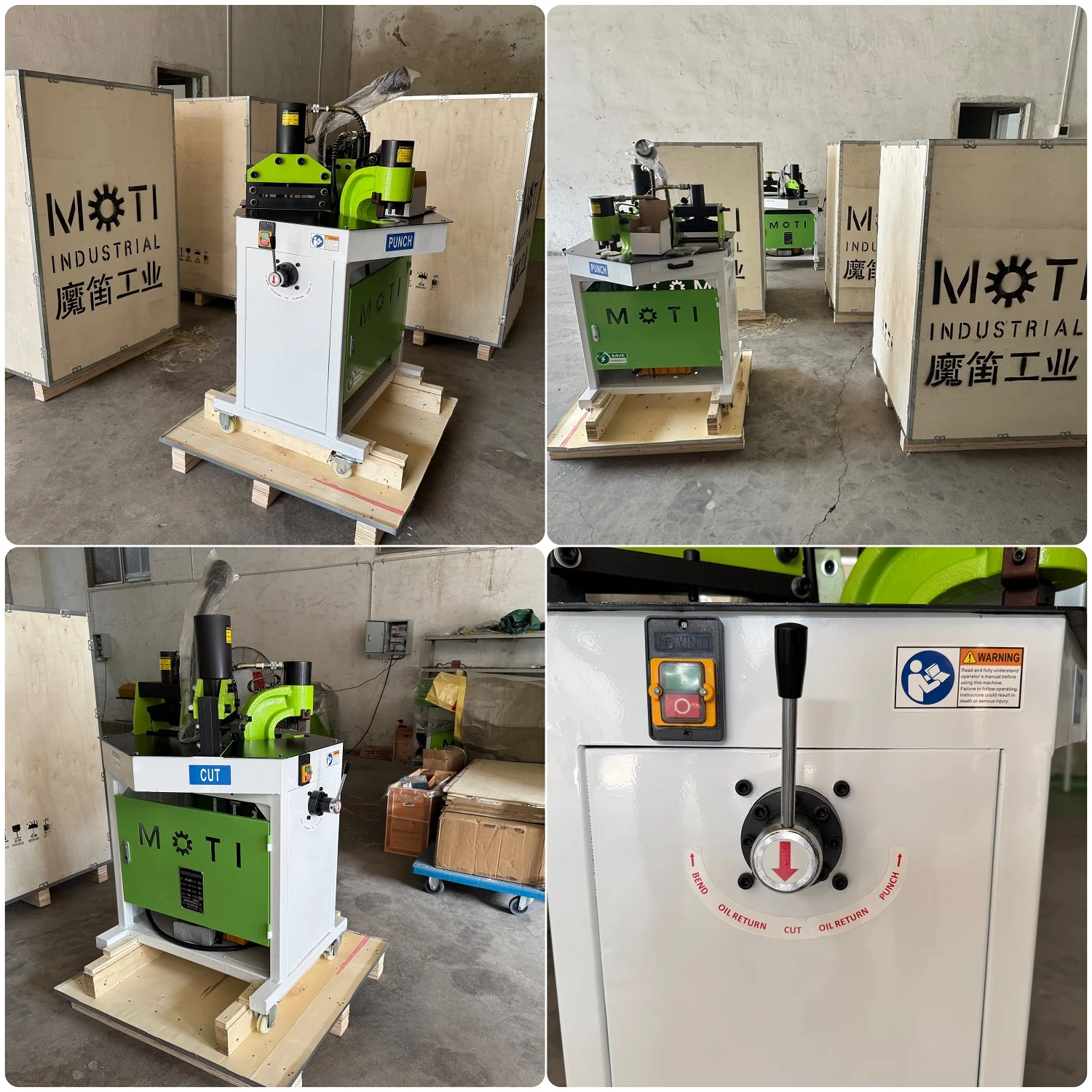
Put the same data in every project document
The inquiry, quotation, order confirmation, machine electrical file, installation checklist and commissioning record should identify the same selected configuration. If any value changes, issue a controlled revision and confirm whether it affects the machine build, local site work, delivery or schedule.
Send MOTI the machine application, actual site voltage, phase, frequency and destination. Include a photo of the relevant supply label or panel information when appropriate, plus the drawing and material range, so the electrical configuration and production trial can be reviewed together.
Sources: MOTI model and project information plus MOTI’s installation and quotation records, checked 16 September 2026. Published electrical values are model-specific preliminary information. The ordered configuration, machine documents and qualified local electrical review control the installation.